
 Today, March 22nd, Francis has made it exceedingly clear that he has no intention whatsoever of deviating from the fundamentals of Pope Benedict’s assessment of secular culture.
“But there is another form of poverty! It is the spiritual poverty of our time, which afflicts the so-called richer countries particularly seriously. It is what my much-loved predecessor, the dear and venerated Benedict XVI, called the ‘dictatorship of relativism‘…”
Surprise! Surprise! John Paul II called it the Culture of Death, Benedict called it the culture of oppressive Relativism, and now, drum roll please, Pope Francis has followed both his predecessors in explaining the grave spiritual poverty of modern secular culture.
Those Popes really are on the same page. Golly gee! What is it that makes those guys so stone cold in their unity. What is it?
Anyways, eventually we have to have a Pope that will change all this. Right!? Surely they will eventually embrace the cultural riches of killing the most innocent and vulnerable among us, of killing the elderly through euthanasia, of devastating the family with divorce and the like!
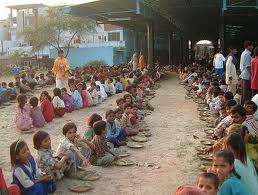
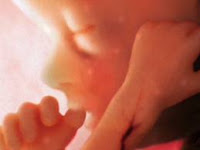
 A quick word on St. Joseph’s Day! What struck me about Pope Francis’ installation homily was his reference to tenderness. He said we should not be afraid of tenderness, of goodness. This, along with his challenge that we should protect all life and all creation even as St. Joseph protected Jesus and Mary, were the most salient points that I took from his homily.

 I got this awesome post from the father-in-law of my brother. I do not often re-blog things, but what a beautiful thing! I am all for informal rosaries that celebrate some other aspect of the mysteries of life and of the Church just so long as concentrating on these informal prayers doesn’t obscure our focus on the 2o official mysteries. And most assuredly that was not the case in this instance as this was the familie’s second Rosary of the day.
 The option for the poor is much more than a simple social teaching. It is not about standard of living, economic development, or soup kitchens as much as it is about the spirituality of what it means to be a Christian. Serving the poor should make every human aware of their own miserable poverty before God. In short, the fundamental relationship between humanity and God is one of extreme poverty as opposed to extreme wealth. God has everything, he is wealthy, not just in terms of material reality, but in terms, first and foremost, of spiritual reality. Spiritual wealth makes us much more wealthy and happy than material wealth could ever make us. Furthermore, to say we need a Church “that is poor and for the poor,” as Francis has said, is not so much about divesting ourselves of material wealth as much as it is about divesting ourselves of ideas of our identity that exalt the self at the expense of God.



 annunciationblog.com