Those who go forth weeping, carrying sacks of seed, will return with cries of joy, carrying their bundled sheaves (Psalm 126:6)
You indeed are my savior and in the shadow of your wings I shout for joy (Psalm 63:8)
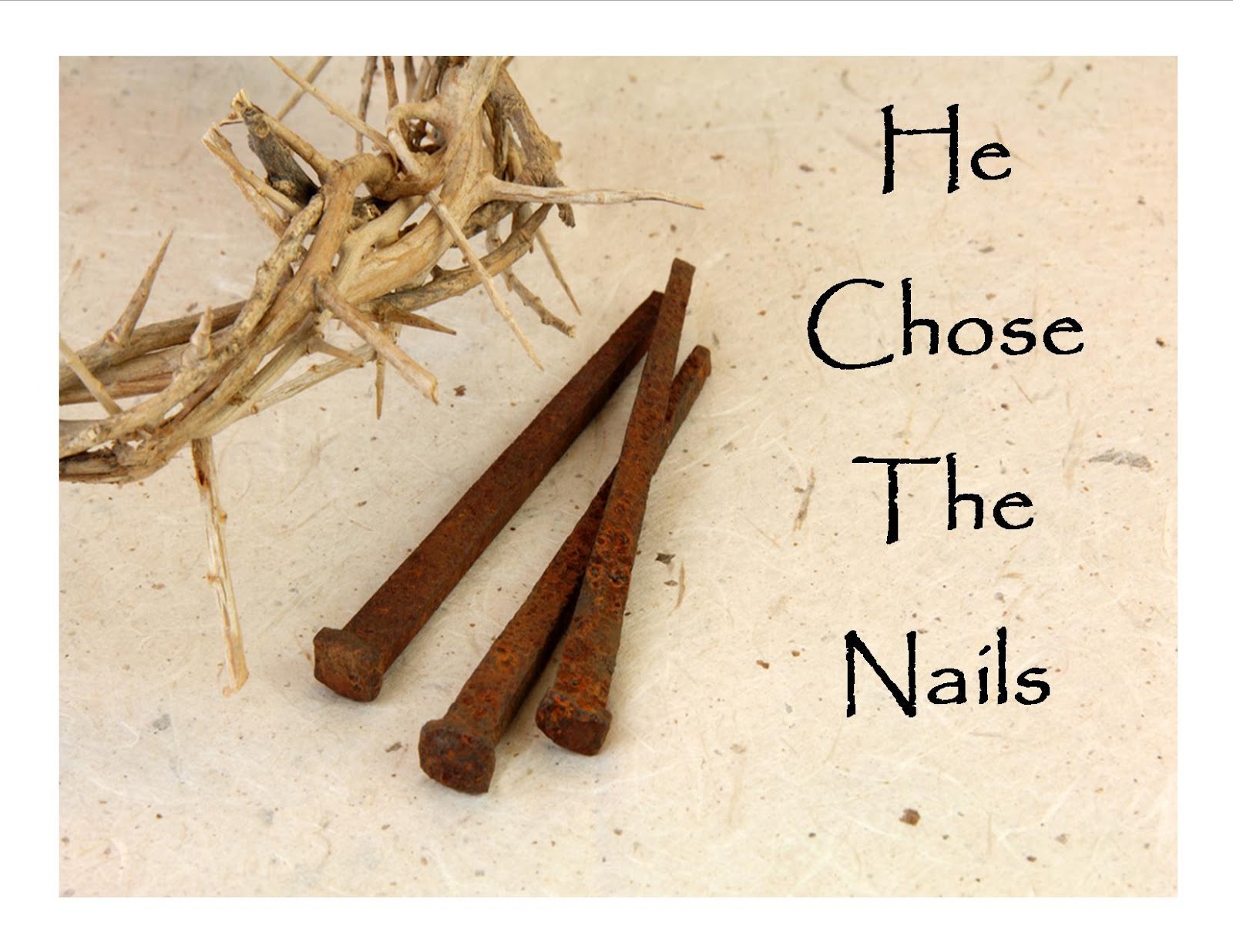
As we weep, leaving the garden of innocence, we carry the watery seeds of our salvation. Our baptismal tears rain down on the soil of our fallen nature, and hope springs up in our hearts for he has become one with us; our tears are his tears, and our heart is his heart. We return carrying our “bundled sheaves” as we process holding the Eucharist: we adore, we worship, and we present the resurrected wounds of Christ to sinners who, along with us, inflicted those very wounds. Deep within his loving heart pierced by the centurion’s lance, by our transgressions, Christ opened up a fountain of mercy in the blood and water that gushes forth from within his wounds and into ours. He has made our self-inflicted wounds into his wounds, opening our deepest hearts to the holiness of his Divine Nature. As grace flows forth from within him, we receive it for the inside of his wounds bear the mystical shape of our sins, the same shape that lies within our wounded depths. We pray that our wounds might be healed in not being healed for if our wounds close, they would also be closed to God’s grace that comes forth from within them on account of his uniting himself with us (this idea that wounds must remain open I got from Father Jose Granados in a homily). Spiritual (spiritual-physical) wounds are healed, like those of Christ’s own body, by remaining open conduits of Divine grace. Thus, we see that the reality of diaspora is an experience that comes full circle in a return to the wounded heart of Christ, a place that unites us to God in such a way that the Garden of Eden could not, a place in which we become sons of God and sharers in the Divine Nature.